


Shaolin Clown ****
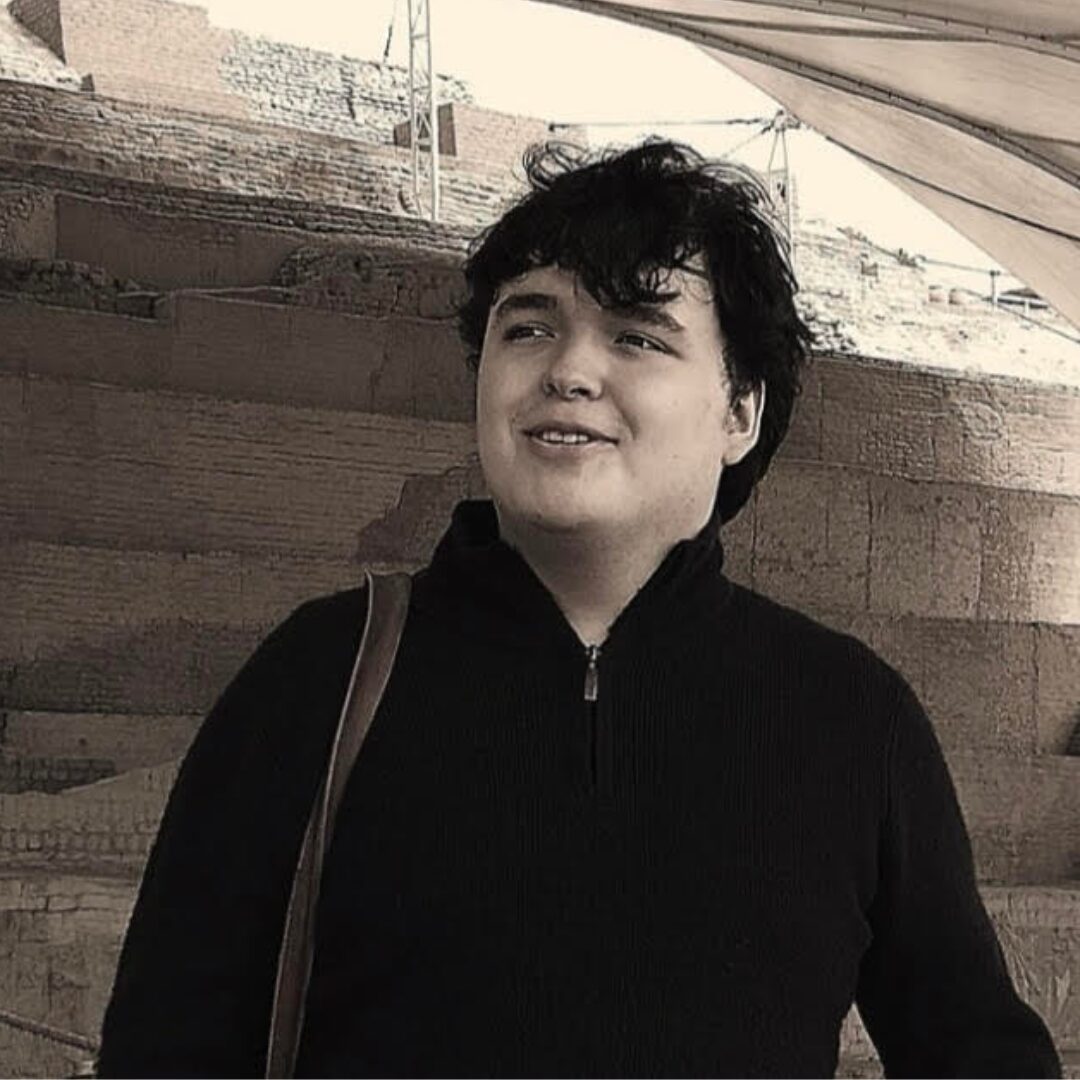

This one proved a strange but popular way to start your Fringe day, and was the most packed-out house I saw at Teatro Fisico. Tom Corradini's Shaolin Clown is a light 50-minute show that fronts itself as a 'comedy' but not one necessarily made to make people laugh. It might sound puzzling, but in his assertion, Corradini seems to be referring to the older definition of 'comedia' where 'comedia' is the resolution of conflicts, rather than a thing necessarily meant to make people laugh.
Corradini needn't though; the show is very funny. It shows his mind wandering as he meditates, wandering physically. He gesticulates at nothing in particular, brings out a dog plushie called "boo boo", makes himself some noodles and slowly the situation becomes more surreal. It's a show that creeps up on you, holds your focus and then you're laughing and realise how warm you feel towards it. There are moments that transcend the relaxation into genuine feelings of magic – when Corradini begins to blow bubbles with what appears to be rubbing alcohol. Here he plunges underwater, swims, seems delighted with himself. It's a very kind show in a lot of ways; Corradini is a clown in the textbook sense — he garners our sympathy, we want to like him.
An astonishing element of this work is its lack of 'drama'. There are physical forms, but Corradini never imitates. He doesn't really play a character; there is more stillness than storytelling. Corradini bases the work off a German book by Bernhard Moestl on Shaolin philosophy, and the elements of this are recognisable, but mostly as gesture. It is such a formal hour of theatre that it’s all there in the form. Watching this, and other shows by Teatro Fisico, I was struck by how textbook they were. In their simplicity, you feel like you're learning something new about theatre.
In Shaolin Clown specifically, the form being the thing is smart, as it avoids characterisation and imitation. It is about the practice of culture, rather than a mimesis of it. In some ways, this is very Buddhist. It is also theatrical. Shaolin Clown ends up excelling as a shared moment of physical theatre, a comedy in the old style — sequences of movement with resolutions. There's a wonder to that.


Comments